
You may also be interested in...
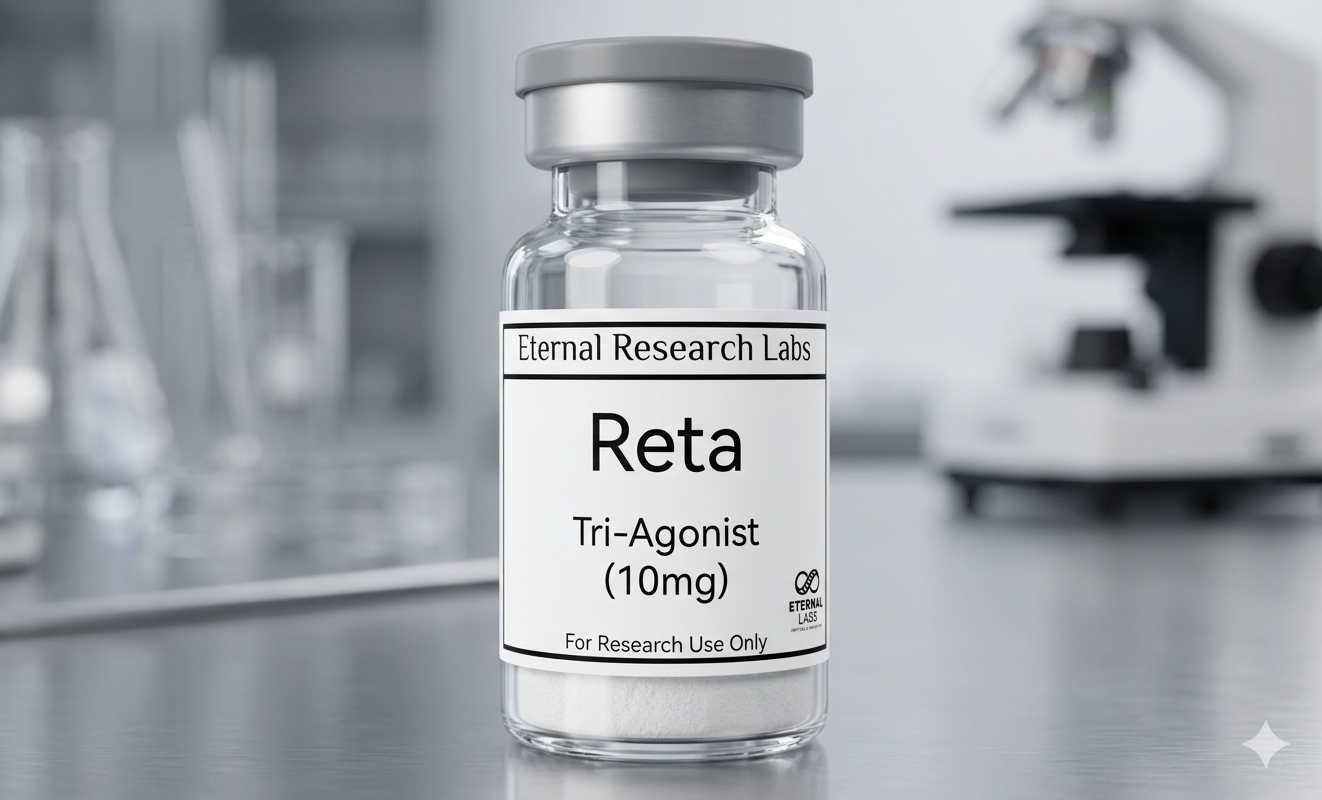
Mechanism of Action: Triple Receptor Agonist
Retatrutide is a synthetic peptide that activates three key metabolic receptors:
GLP-1 (Glucagon-Like Peptide-1) → Enhances insulin secretion, suppresses appetite, delays gastric emptying
GIP (Glucose-Dependent Insulinotropic Polypeptide) → Boosts insulin response, improves insulin sensitivity, may support lipid metabolism
Glucagon Receptor (GCGR) → Elevates energy expenditure, promotes fat oxidation, and may reduce liver fat
This triple agonist profile delivers synergistic effects on glycemic control, fat loss, and metabolic health, making Retatrutide the most advanced incretin-based peptide in development.
Disposition:
Structure: Acylated peptide with a fatty diacid moiety → extends half-life via albumin binding
Half-life: ~6 days → supports once-weekly dosing
Administration: Subcutaneous injection
Clinical Data Highlights:
Weight Loss: Up to 24.2% body weight reduction in phase 2 trials, highest recorded among incretin-based therapies
Glycemic Control: HbA1c reductions of 2.0–2.5% in type 2 diabetes patients
Lipid Profile: Significant drops in triglycerides, LDL-C, and liver fat content
Insulin Sensitivity: Improved HOMA-IR and fasting insulin levels
Energy Expenditure: Increased basal metabolic rate and fat oxidation via glucagon receptor activation
For a full breakdown of Retatrutide clinical trials and results you can click the link.
Why Retatrutide is Exciting:
Triple Mechanism = Broader Impact: Targets fat loss, insulin sensitivity, and energy balance simultaneously
Once-Weekly Dosing: High compliance, low friction
Backed by Data: Clinically validated, outperforming single and dual agonists in key metrics
Ideal for Advanced Protocols: Perfect for those looking for the best potential results
Outperforms Semaglutide & Tirzepatide for total weight lost in trials
Available in Canada with fast domestic shipping
Most common side effects:
Nausea, diarrhea & constipation
Side effects are dose dependent and typically subside the longer the drug is used
You can check out the full guide on managing Retatrutide side effects by clicking on the link.
Bottom line:
The science behind Retatrutide represents a breakthrough in obesity pharmacotherapy through its unique triple-receptor mechanism.
By simultaneously activating GIP, GLP-1, and glucagon receptors, this powerful peptide produces synergistic metabolic effects that exceed what single or dual agonist medications can achieve.
The glucagon receptor component increases energy expenditure and fat oxidation, while GLP-1 suppresses appetite and slows gastric emptying, and GIP enhances insulin secretion while potentially reducing nausea.
This coordinated activation of three complementary pathways explains the unprecedented 24.2% average weight loss observed in Phase 2 trials.
Rather than targeting obesity through a single mechanism, this 3-way agonist addresses the complex hormonal and metabolic networks that regulate body weight, treating obesity as the multifaceted metabolic disease it truly is.
Peer-Reviewed Research Citations
1. Primary Phase 2 Obesity Trial: Jastreboff AM, Aronne LJ, Ahmad NN, et al. Triple-Hormone-Receptor Agonist Retatrutide for Obesity — A Phase 2 Trial. N Engl J Med. 2023;389(6):514-526. doi:10.1056/NEJMoa2301972
PubMed:https://pubmed.ncbi.nlm.nih.gov/37366315/
This landmark study demonstrated 24.2% mean weight loss at 48 weeks with the 12mg dose in 338 adults with obesity, establishing retatrutide as the most effective obesity medication tested to date.
2. Phase 2 Type 2 Diabetes Trial: Rosenstock J, Frias J, Jastreboff AM, et al. Retatrutide, a GIP, GLP-1 and glucagon receptor agonist, for people with type 2 diabetes: a randomised, double-blind, placebo and active-controlled, parallel-group, phase 2 trial conducted in the USA. Lancet. 2023;402(10401):529-544. doi:10.1016/S0140-6736(23)01053-X
PubMed:https://pubmed.ncbi.nlm.nih.gov/37385280/
This trial evaluated retatrutide in 281 participants with type 2 diabetes, showing up to 16.94% weight loss and significant HbA1c reductions with favorable safety profile comparable to other GLP-1 based therapies.
3. Metabolic Dysfunction-Associated Steatotic Liver Disease (MASLD) Substudy: Loomba R, Hartman ML, Lawitz EJ, et al. Triple hormone receptor agonist retatrutide for metabolic dysfunction-associated steatotic liver disease: a randomized phase 2a trial. Nat Med. 2024;30(6):1753-1760. doi:10.1038/s41591-024-02970-5
PubMed:https://pubmed.ncbi.nlm.nih.gov/38858523/
This substudy demonstrated that retatrutide reduced liver fat by 81-82% at the 8mg and 12mg doses over 24 weeks, providing evidence of retatrutide’s multi-system metabolic benefits beyond weight loss.
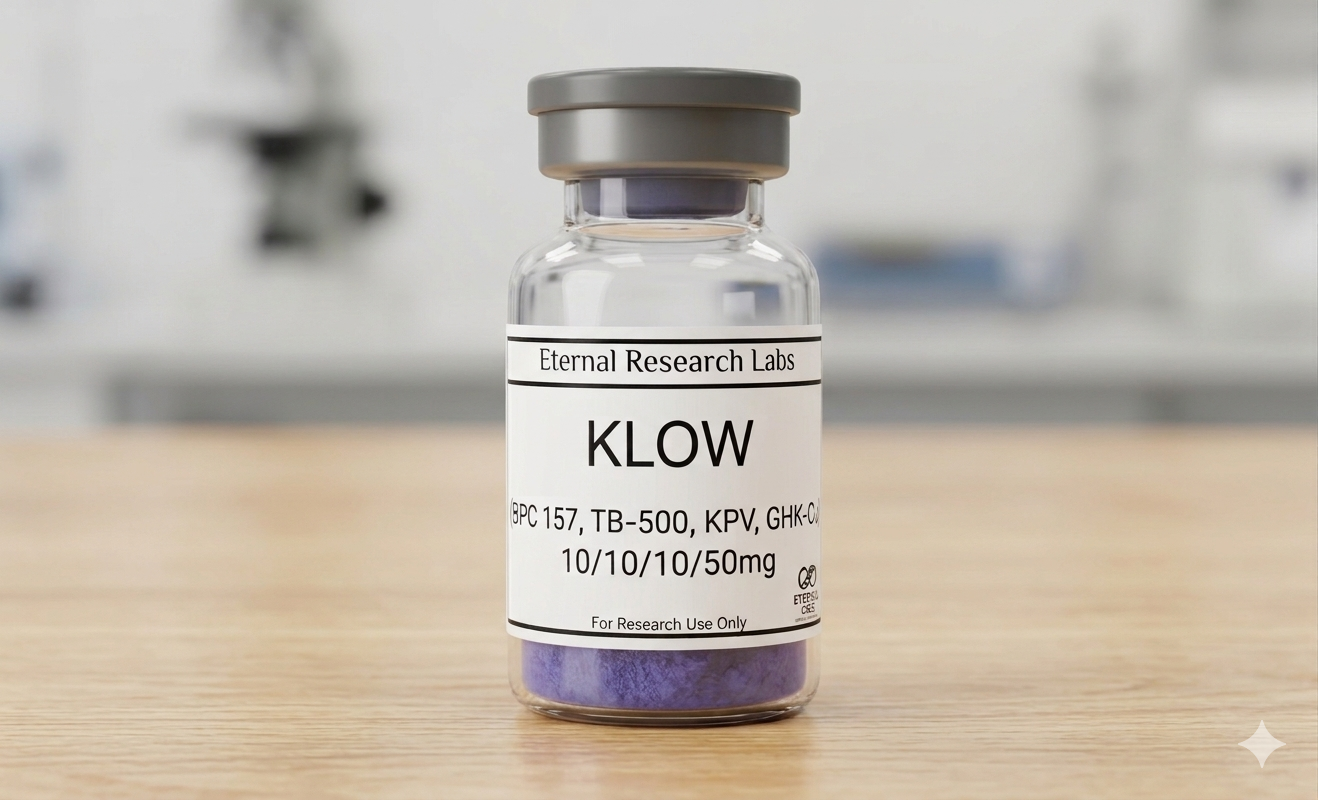
What’s in KLOW?
GHK-Cu (50 mg)
Drives collagen synthesis, angiogenesis, and gene-level repair. Enhances skin texture, elasticity, and wound healing.BPC-157 (10 mg)
Accelerates tendon, ligament, and gut repair. Promotes angiogenesis and modulates nitric oxide and growth factor signaling.TB-500 (10 mg)
Enhances cell migration, reduces fibrosis, and supports muscle, nerve, and epithelial regeneration.KPV (10 mg)
A fragment of α-MSH that potently inhibits NF-κB and pro-inflammatory cytokines like TNF-α and IL-6. Supports gut lining integrity and may reduce autoimmune flare-ups, dermatitis, and systemic inflammation.
Mechanism of Action
KLOW works by combining four synergistic peptides that act on complementary pathways:
Tissue repair: BPC-157 and TB-500 promote angiogenesis, fibroblast activation, and ECM remodeling
Skin regeneration: GHK-Cu stimulates collagen, elastin, and antioxidant enzymes
Inflammation control: KPV suppresses inflammatory signaling and may reduce injection site irritation
Immune modulation: The stack balances immune activity without overstimulation, supporting recovery from injury, stress, or inflammation
Why It’s Used
KLOW is favored for its broad-spectrum regenerative potential, especially in cases involving:
Chronic inflammation
Skin aging or scarring
Muscle, tendon, or joint recovery
Gut permeability or inflammatory bowel symptoms
Immune-mediated conditions (e.g., dermatitis, allergic asthma)
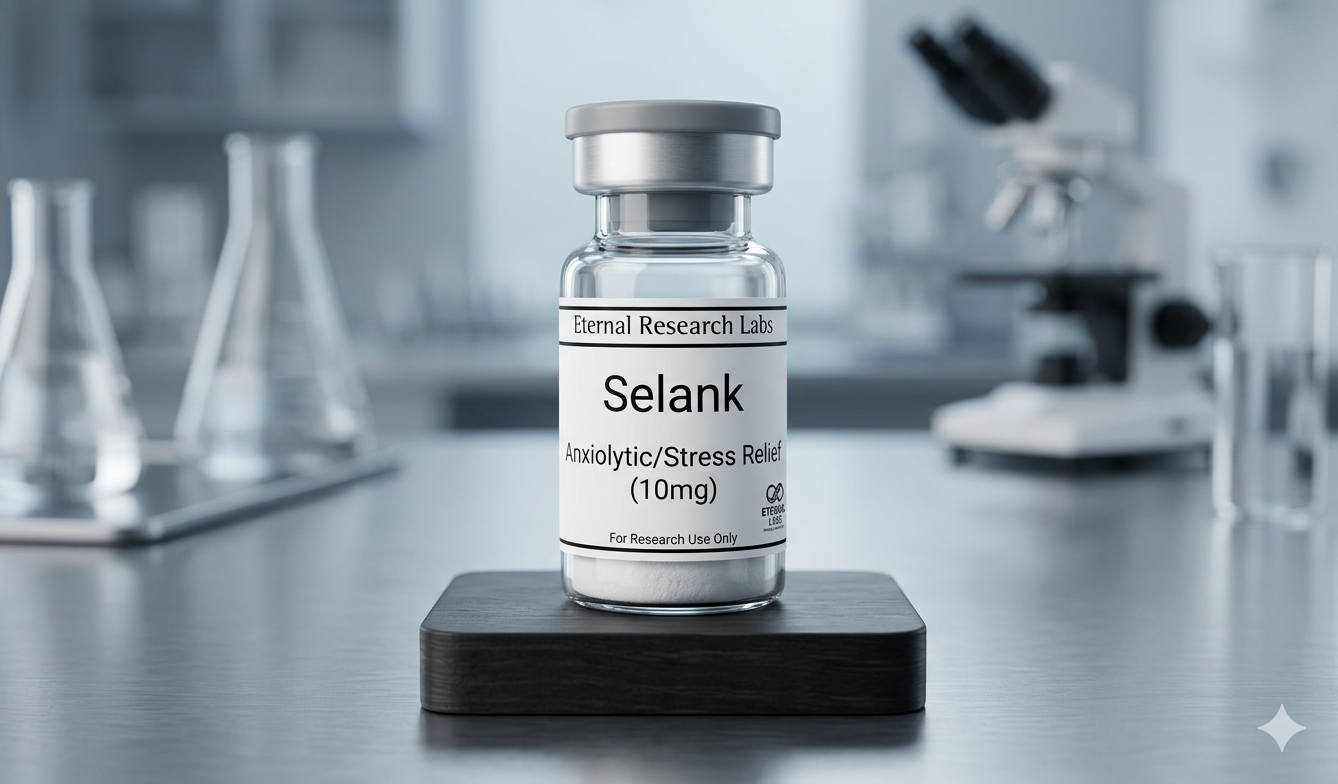
Selank is a synthetic peptide made of seven amino acids, developed in Russia. It’s based on tuftsin, a natural peptide your immune system already produces. Researchers added three extra amino acids to the end so it lasts longer in the body before getting broken down.
How It Works
Selank doesn’t just target one system. It hits several:
GABA receptors – modulates the same receptor family as anti-anxiety drugs, but without the sedation, brain fog, or dependence seen with benzos
Serotonin – stabilizes serotonin levels and its metabolites in the brain
Dopamine and norepinephrine – influences turnover of both in key brain regions
BDNF – boosts production of brain-derived neurotrophic factor, a protein tied to learning, memory, and neuron health
Enkephalins – blocks the enzymes that break down your body’s natural painkillers, raising their levels
Immune function – affects 50+ genes related to inflammation and immune response through its tuftsin backbone
Why Researchers Care
Anxiolytic effects without sedation or cognitive impairment
No tolerance or withdrawal in preclinical studies
Actually appears to sharpen cognition rather than dull it
Dual action as both a nootropic and anxiolytic is a rare combo
Broad gene expression changes (36 genes in the hippocampus within one hour)

Bacteriostatic Sterile Water is sterile water that contains a small amount of a preservative which inhibits bacterial growth. Commonly used to dilute or reconstitute peptides for injection.